


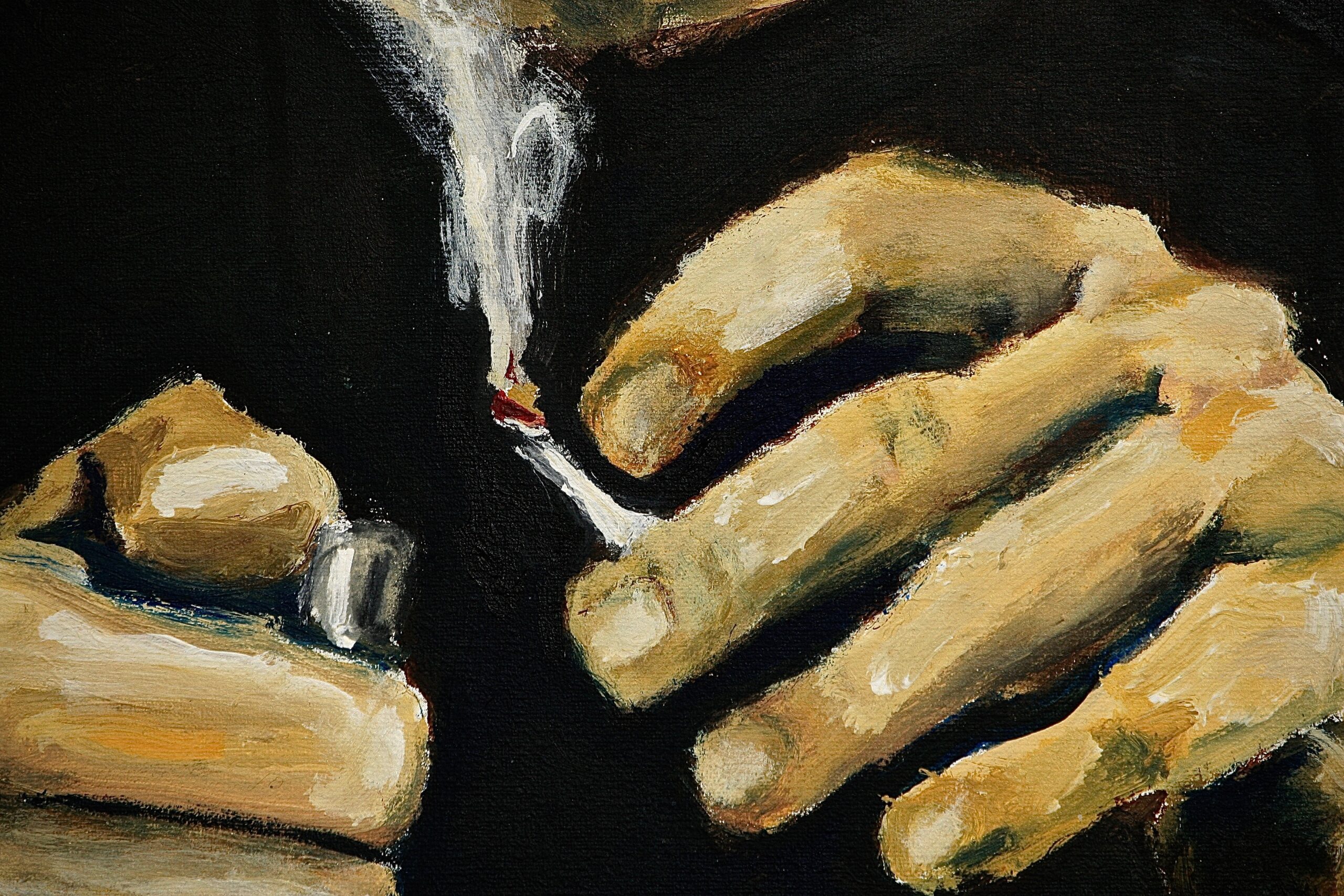
Light and shadow are the language of the figure. They give form to flesh, suggest emotion, and create the atmosphere that transforms a painting from a representation into an experience. As a figurative painter, understanding and manipulating light and shadow is central to how I bring the human figure to life on canvas.
Seeing the Figure in Light
When I begin a painting, I first observe how light falls on the subject. The human body is not flat—it curves, twists, and moves in space. Light reveals these subtleties. A soft, diffused light can highlight the gentle roundness of a shoulder or the delicate planes of a face. A harsher light can create dramatic contrasts, emphasizing tension, movement, or emotion.
In figurative art, light is not just illumination—it is a tool to model volume, enhance texture, and direct the viewer’s gaze.
Shadow as Form and Emotion
Shadows are just as important as light. They define depth, anchor figures in space, and create mood. In figurative painting, shadows are never simply “dark areas”. They are rich, dynamic spaces full of color and tone. I look for subtle shifts within shadows—warm reflected light on the underside of an arm, cool tones where the body meets the floor, or soft gradations that suggest roundness.
Shadows also carry emotional weight. Deep, dramatic shadows can evoke mystery, intimacy, or tension. Gentle, soft shadows can create calm, warmth, or tenderness. By thinking about shadow, I can shape not only the figure’s appearance but its presence in the viewer’s mind.
Techniques I Use
In my figurative paintings, I combine several approaches to light and shadow:
- Layering: Building up subtle transitions from light to dark, allowing the figure to emerge gradually.
- Glazing (for oils): Applying thin transparent layers to enhance depth and luminosity.
- Brushwork: Adjusting strokes to mimic the texture of skin, hair, and fabric under varied lighting.
- Contrast and Focus: Using stronger contrasts in areas I want the viewer to notice, while allowing softer edges in the periphery.
This process takes patience, especially in oil painting. Unlike acrylics, oils give me time to refine the interplay of light and shadow, and that extra time often transforms a painting.
Light, Shadow, and Narrative
Beyond technique, light and shadow help me tell a story. The way light caresses a hand, falls across a face, or leaves part of the body can suggest personality, mood, or movement. Every figure has a story, and how I treat light and shadow becomes part of that narrative.
Why It Matters in Figurative Art
Figurative art is, at its core, about presence—the presence of the body, the mind, and the emotion it conveys. Light and shadow are the tools that give a figure that presence. They allow a flat canvas to breathe, to live, and to resonate with the viewer. Without them, even the most anatomically accurate figure can feel lifeless.
Through careful observation, study, and experimentation, I continue to explore how light and shadow shape not only the figure itself but the story it tells. Each painting is a chance to refine that relationship, to discover new subtleties, and to capture the fleeting beauty of the human form in space and light.