Tag languageinpaintings

Why Realistic Art Didn’t Disappear — It Evolved

the-evolution-of-realism-in-art.jpg

People often look at highly realistic paintings from art history and ask a familiar question: Why don’t artists make work like this anymore?The most common answer is quick and convenient — because photography was invented. But this explanation barely scratches the surface,…

How I Use Light and Shadow in Figurative Art

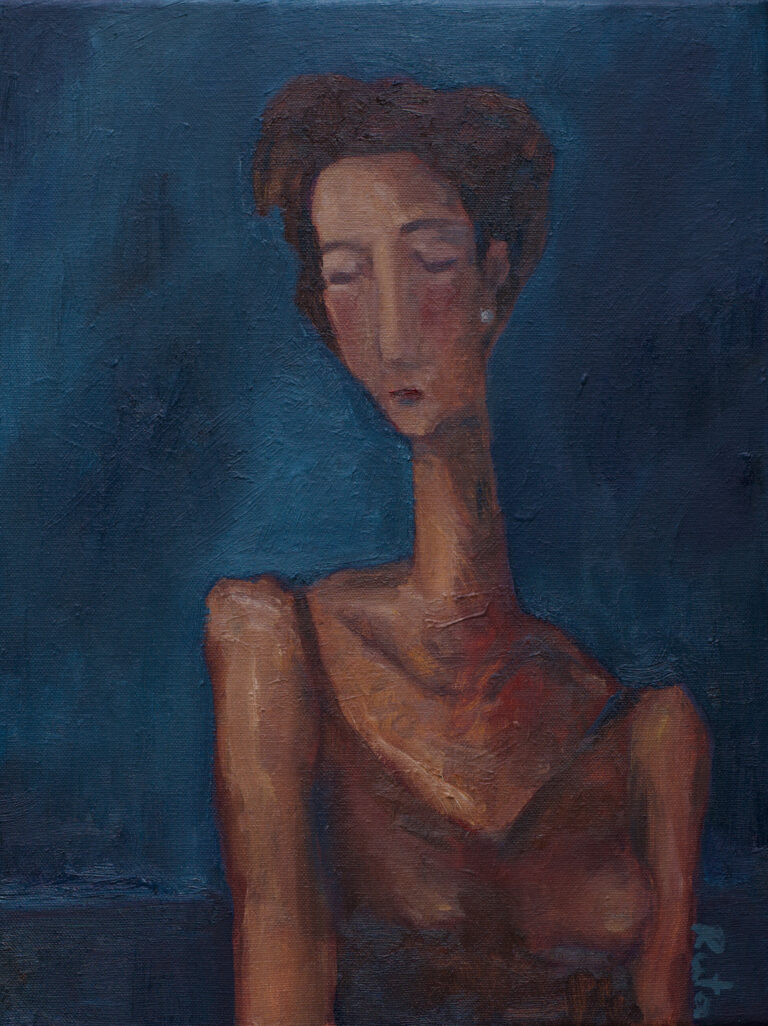
figurative painting showing light and shadow on human figure

Light and shadow are the language of the figure. They give form to flesh, suggest emotion, and create the atmosphere that transforms a painting from a representation into an experience. As a figurative painter, understanding and manipulating light and shadow…

A Brief History of Figurative Painting

contemporary figurative painting inspired by art history

Figurative painting—art that represents the human figure—has been at the center of visual culture for as long as humans have made images. Long before abstraction, the figure was a way to understand identity, power, emotion, and the body itself. To…

Oil vs Acrylic in Figurative Painting: My Personal Journey

For a long time, I painted exclusively with acrylics. Like many artists, I was drawn to their practicality—quick drying time, easy cleanup, and a sense of control. Acrylics allowed me to work fast, build layers quickly, and respond intuitively to the…

Painting in the Moment

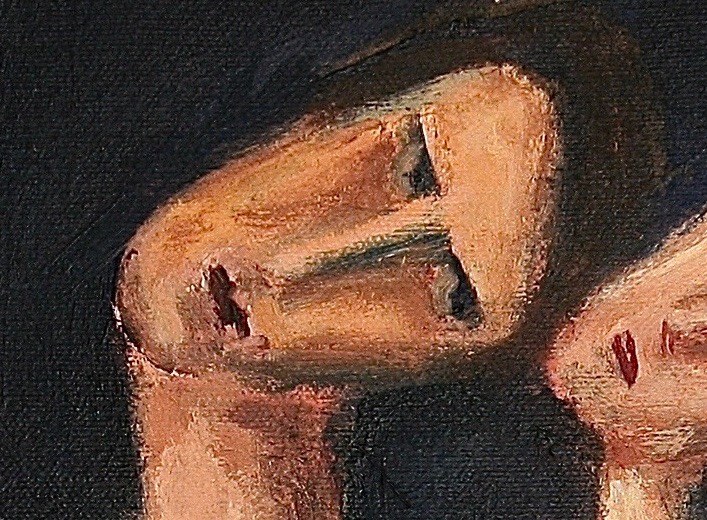
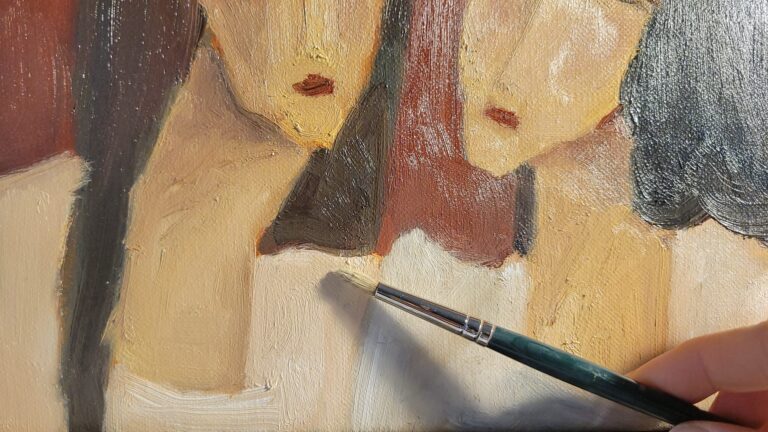
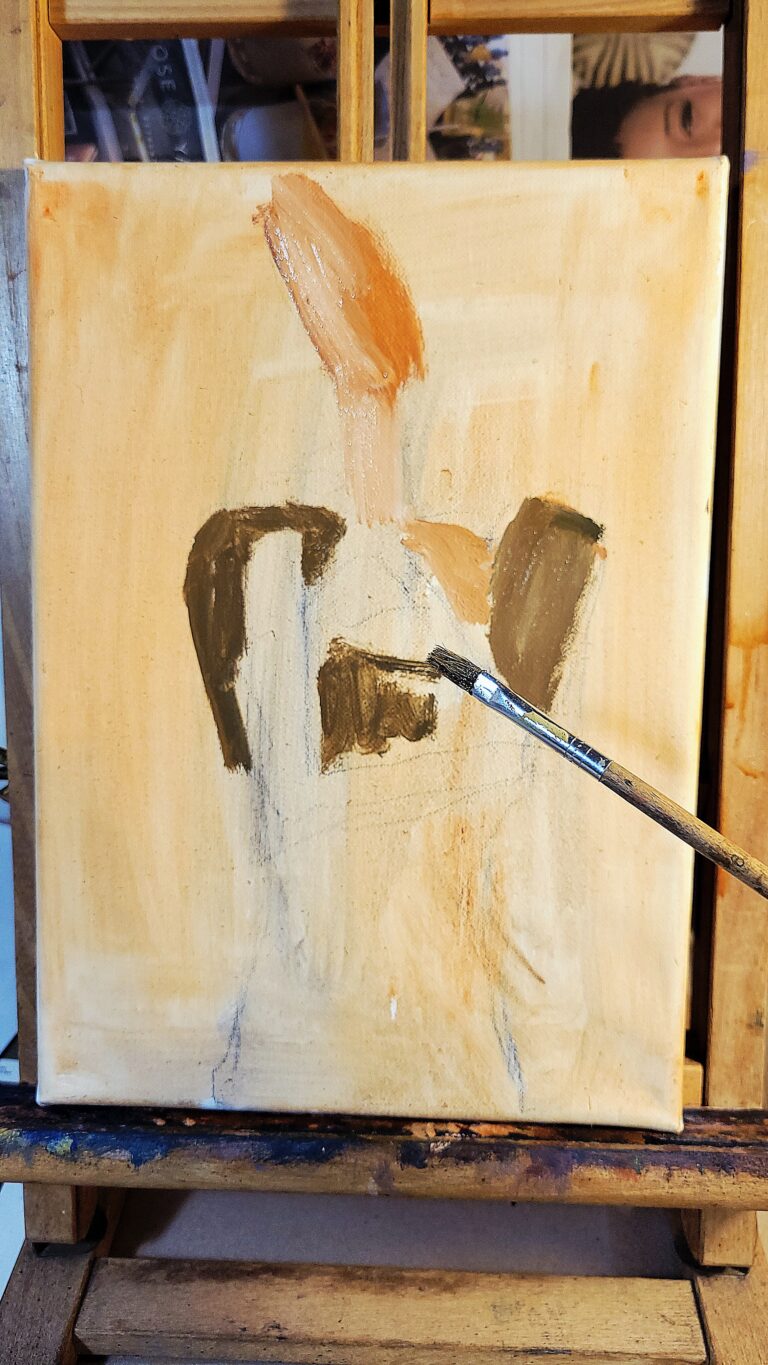
As a figurative artist, my creative process is guided more by emotion than by structure. I begin with very little sketching — sometimes just a few intuitive lines or gestures. I allow the painting to unfold naturally. My work is grounded…

Equilibrium — Finding Balance on Canvas

There are moments in life when balance feels fragile, when the weight of our inner emotions outweighs what we show on the surface. My painting Equilibrium emerged from this space of reflection. It is a work of figurative painting beyond likeness —…

The Language of Gestures in Figurative Art

Connections

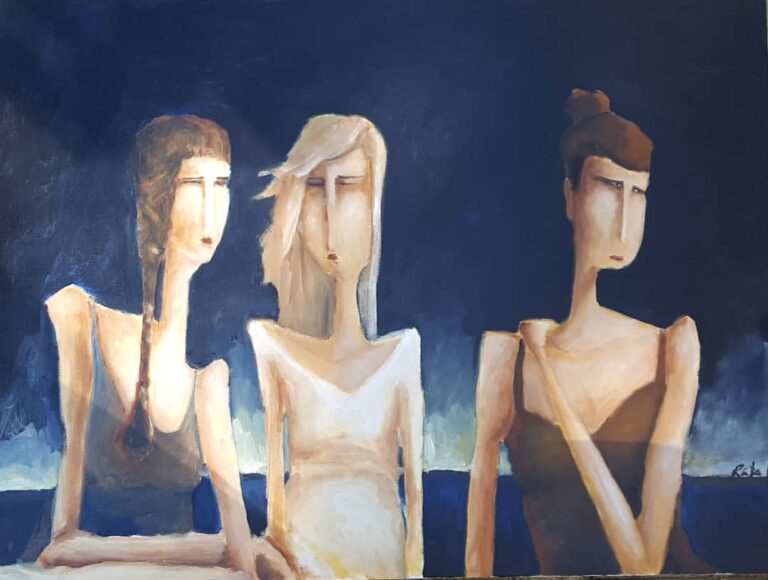
When words fall away, the body begins to speak. I’ve always been drawn to the quiet power of subtle gestures—the tilt of a head, the turn of a shoulder, a gaze that never quite meets your own. These small movements…